So, we’ve talked about gaming rigs under $1000, but what if your budget is tighter? What if you’re a student who just needs something reliable for essays, research, Zoom classes, and maybe some Netflix between lectures?
Shopping for a laptop under $500 in 2026 is a different game. You have to be realistic. You’re not going to be editing 4K video or playing Cyberpunk on ultra settings. But here’s the good news: the budget market has gotten much better. Between solid Windows machines and super-efficient Chromebooks, you can absolutely get a laptop that will get you through four years of college without wanting to throw it out a window.
I dug through the latest reviews from tech sites to find the five best student laptops at this price point right now. Let’s get into it.
Quick Overview: The Best of 2026
The Top Picks Reviewed
1. Best Overall Windows Laptop: Acer Aspire 3 (A315-24P)
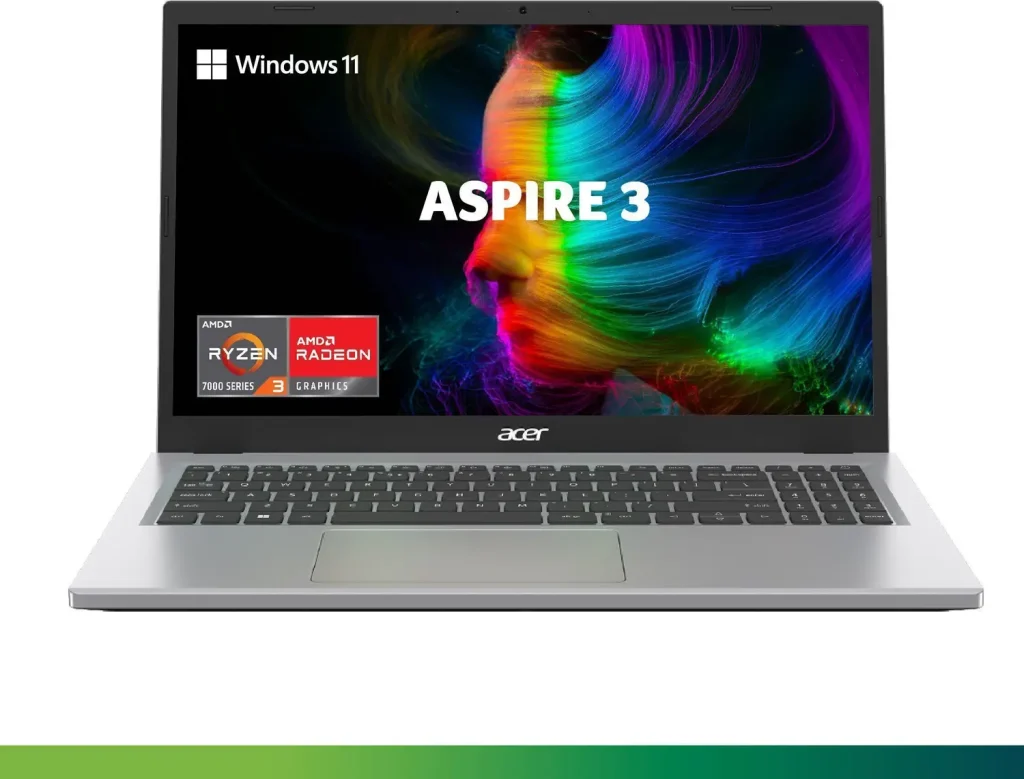
If you need Windows (for specific software) but don’t want to break the bank, this is the one. Multiple reviewers agree that the Acer Aspire 3 is the king of the budget Windows hill right now . It packs an AMD Ryzen 3 processor, which is surprisingly snappy for everyday tasks like web browsing and Office apps. But the real star here is the battery life—we’re talking nearly 17 hours on a single charge . That means you can leave the charger in your dorm all day.
- Pros: Smooth performance for daily tasks, incredible battery life, current Wi-Fi 6 .
- Cons: The design is a bit boring and plasticky, the display is nothing special .
- Who it’s for: The student who needs Windows compatibility but values battery life above all else.
2. Best Chromebook: Acer Chromebook Plus 514
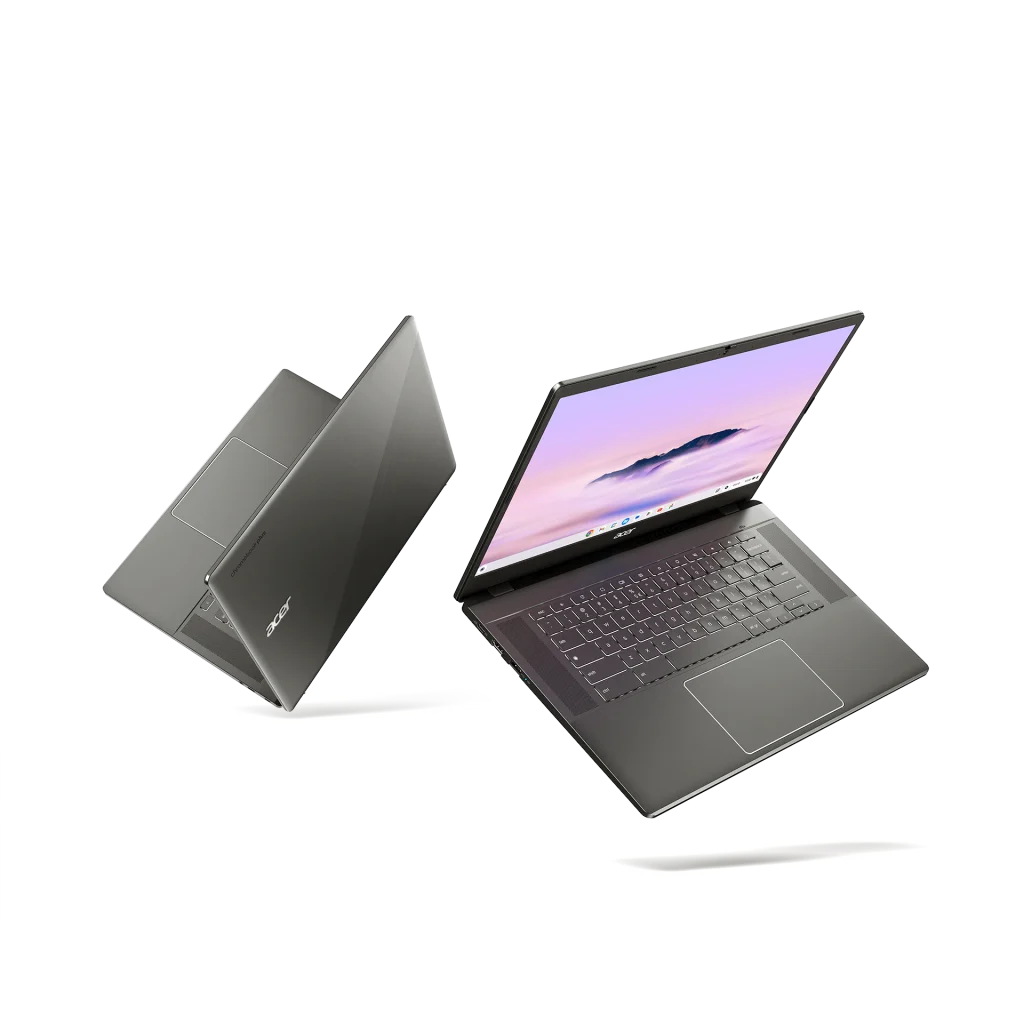
Look, if your life lives in a browser (Google Docs, Canvas, Gmail, YouTube), a Chromebook is not only cheaper, but often better than a Windows laptop. The Acer Chromebook Plus 514 is the proof. In CNN’s head-to-head testing, it absolutely crushed the competition on battery life, lasting nearly 13 hours looping video . Plus, it has a comfortable keyboard and a nice 14-inch touchscreen . And since it’s a “Chromebook Plus” model, it’s powerful enough to handle a dozen tabs without choking .
- Pros: Phenomenal battery life, solid performance, included Google AI perks .
- Cons: It’s a Chromebook, so no traditional desktop apps (like full Photoshop).
- Who it’s for: The student who is all-in on Google Workspace and just wants a fast, simple machine that lasts all day.
3. Best 2-in-1 Convertible: Lenovo Flex 5i Chromebook Plus
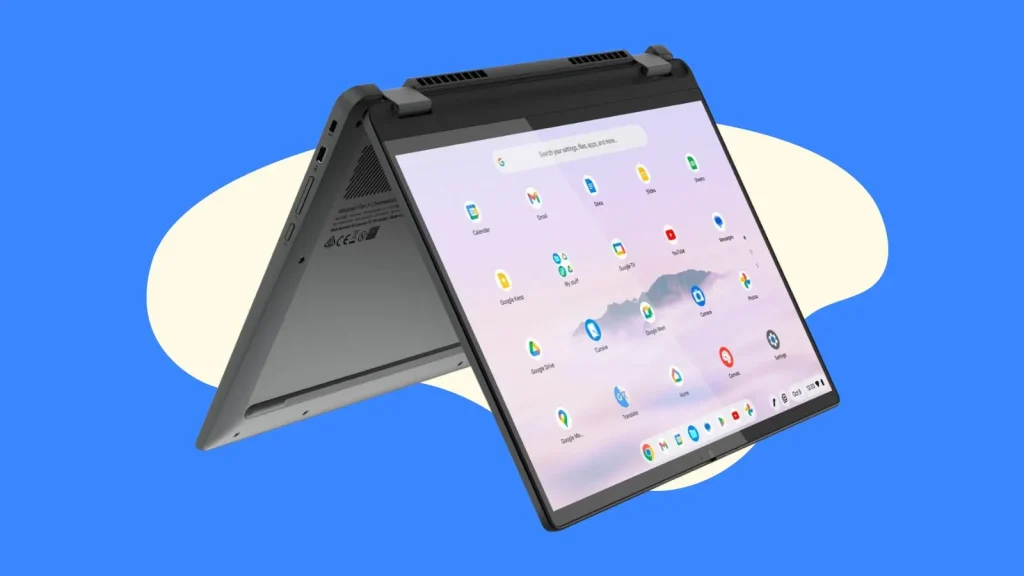
Want the flexibility of a tablet for reading textbooks or taking notes in class? The Lenovo Flex 5i Chromebook Plus is an Editors’ Choice winner for a reason . It’s a sturdy little machine that can flip around into tent or tablet mode. The keyboard is backlit (a rarity at this price!), and the 1080p touchscreen is crisp and responsive . It gives you the premium Chromebook experience without the premium price tag.
- Pros: Sturdy 2-in-1 design, backlit keyboard, fast performance for a Chromebook .
- Cons: It’s still plastic, and the stylus isn’t included .
- Who it’s for: The student who wants to take handwritten notes, read e-textbooks in tablet mode, and still type essays comfortably.
4. Best Ultra-Budget Pick: Lenovo IdeaPad 1i
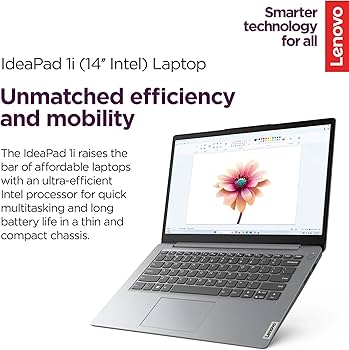
Okay, so you have literally no money left after buying textbooks, but you need a laptop. The Lenovo IdeaPad 1i is your safety net. At around $204, it’s almost disposable, but it’s actually totally usable for basic student needs . It comes with a full year of Microsoft 365 included, which is a genius move because the software is almost worth more than the laptop itself . It’s super light (3.3 lbs) and handles the basics just fine.
- Pros: Insanely cheap, includes Microsoft 365, very portable .
- Cons: Only 4GB of RAM means you have to be disciplined about how many tabs you open, the screen is just “okay” .
- Who it’s for: The student on the absolute tightest budget who needs a word processor and a web browser.
5. Best Windows Alternative: Dell 15
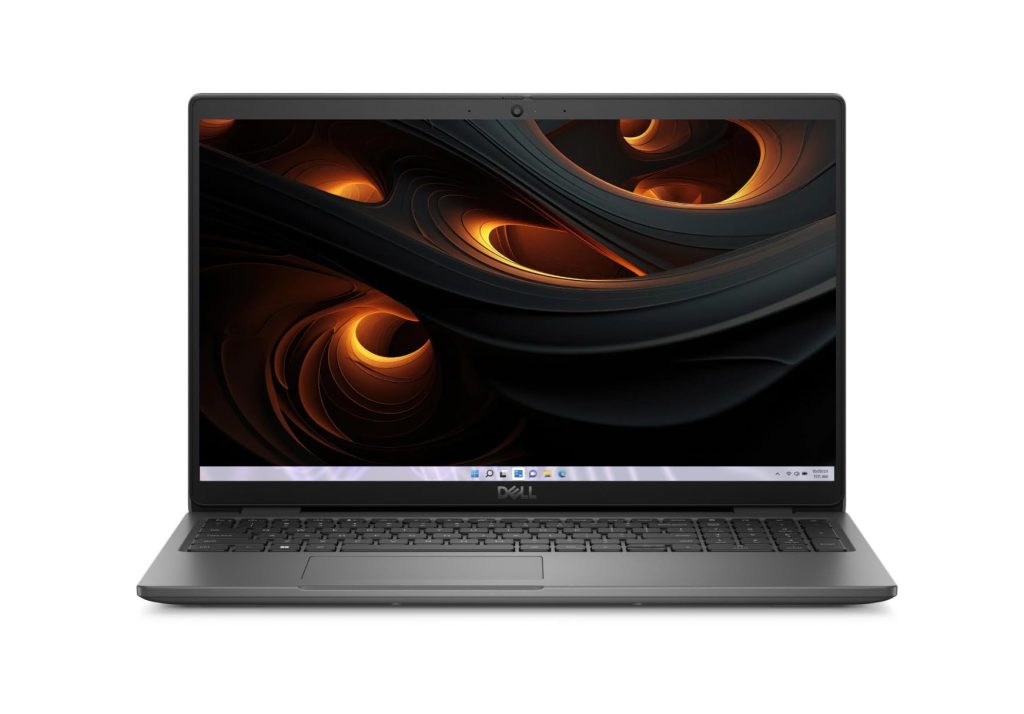
If you want a Windows laptop but the Acer Aspire 3 isn’t available or you just prefer Dell, the simply-named Dell 15 is your best bet . It’s a basic black plastic laptop, but it does everything right. It has a handy little design quirk where the lid lifts the back of the laptop slightly, making typing more comfortable . It also had the best battery life of the Windows laptops CNN tested (over 8 hours) and a solid 1080p screen . It’s the definition of “no drama.”
- Pros: Comfortable typing angle, good battery life for Windows, clean design .
- Cons: It’s a bit plain, performance is strictly mid-range .
- Who it’s for: Students who need a simple, reliable Windows machine with a bigger 15-inch screen for split-screen research.
Chromebook vs. Windows: The Student Dilemma
Before you click “buy,” ask yourself one question: “Do I need to install any specific software?”
- Go Chromebook if: Your coursework is all online. If you’re using Google Docs, Canvas, email, and maybe a web-based coding environment, a Chromebook will be faster, have way better battery life, and be more secure . Plus, Chromebook Plus models are getting cool Google AI features now .
- Go Windows if: You’re in a STEM field, business (with advanced Excel macros), or any creative field that requires apps like Adobe Photoshop or specific coding IDEs that need to be installed locally . You need that full desktop operating system.
The Bottom Line
You don’t need to spend a fortune to get a capable student laptop in 2026. The Acer Aspire 3 is the best all-around Windows choice, while the Acer Chromebook Plus 514 is the battery life champion for students living in the cloud. Figure out which camp you fall into, pick your budget, and grab one of these—you’ll be set for the semester.
Happy studying